Announcements
The Indian automotive sector is now entering its most exciting phase. For decades, cars were primarily about mechanical engineering, engines, and manufacturing efficiency. That definition is now rapidly evolving.
Electric vehicles are gaining momentum. Software has become as important as hardware. Cars have transformed into connected machines that rely on data collected through sensors and advanced electronic systems. As a result, the role of automotive engineers has undergone a complete transformation.
The engineers who will thrive over the next decade are those who understand how mobility, technology, and sustainability are coming together. Let’s examine the skills that will be most important for future automotive professionals in India.
Understanding Electric Vehicle Technology
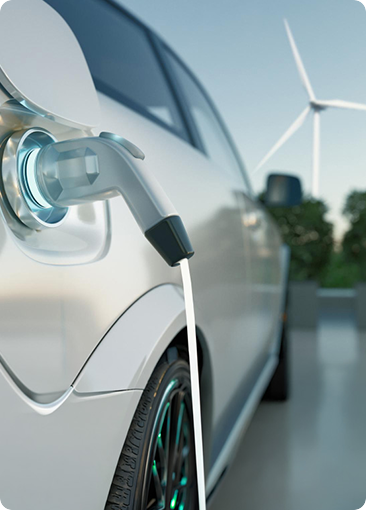
The automotive industry is steadily shifting toward electric vehicles, driven by government incentives, stricter emission regulations, and rising fuel costs.
Automotive engineers today need to understand how EV systems work, including batteries, electric motors, and power electronics. Battery technology, in particular, has become a focus area. Engineers must understand battery management systems, charging infrastructure, and ways to improve energy efficiency.
As EV adoption grows, the demand for experts who can design, test, and optimise these systems will continue to rise.
Software and Electronics Are Becoming Central
Modern vehicles operate through complex software systems containing millions of lines of code. Software now controls everything including infotainment, navigation, driver assistance and connectivity features.
Automotive engineers must develop knowledge of embedded systems, vehicle electronics, and software integration. Programming, system architecture, and electronics skills are now as important as traditional mechanical expertise.
Vehicle development is increasingly about building machines that combine automotive engineering with advanced computing capabilities.
Data and Artificial Intelligence in Mobility
The automotive industry is also being transformed by data. Modern vehicles generate vast amounts of information through sensors, cameras, and connected systems.
This data is used to improve performance, enhance safety, enable predictive maintenance, and support driver assistance systems.
Engineers with skills in data processing, machine learning, and artificial intelligence will play a critical role in shaping the future of mobility. Data analytics is also becoming essential for managing traffic systems and fleet operations.
Knowledge of Sustainable Mobility
Sustainability is now a core focus for automakers worldwide. Stricter emission regulations and increasing consumer awareness are pushing companies to rethink how vehicles are designed and manufactured. Engineers must develop an understanding of sustainable mobility, including improving energy efficiency, reducing emissions, using recyclable materials, and optimising manufacturing processes.
The next ten years will require professionals to master the skills needed to understand the complete transition toward sustainable transportation systems.

Interdisciplinary Thinking
One of the biggest shifts in automotive engineering is the convergence of multiple disciplines.
Modern vehicles integrate mechanical engineering, electrical systems, software development, data science, and materials engineering. Engineers who can collaborate across domains and bring together diverse technical knowledge will have a strong advantage.
The ability to integrate different technologies into a single, functional system is becoming a critical skill.
Skills in Autonomous and Advanced Driver Systems
While fully autonomous vehicles are still evolving, advanced driver assistance systems (ADAS) are already widely used.
These include features such as adaptive cruise control, lane assist, collision detection, and automated parking. These systems rely on a combination of sensors, cameras, and complex algorithms. Engineers in this field need expertise in sensor technologies, computer vision, and control systems. The continued development of these technologies will play a major role in shaping the future of automotive engineering.
Problem Solving and Innovation
Engineers need to study technical knowledge which serves as essential skills for their job but they must also develop problem-solving abilities to succeed in their future career.
The automotive industry faces major challenges like reducing emissions, improving safety, lowering costs, and developing new mobility solutions. Engineers who can think creatively and develop innovative solutions will stand out.
Innovation will be a key driver of progress in the industry.
Opportunities Across the Indian Automotive Ecosystem
India has one of the largest automotive markets in the world, and its ecosystem is expanding beyond traditional manufacturing.
Opportunities exist across areas such as:
- Automotive component manufacturing
- Research and development centres
- Mobility and ride-sharing companies
- Autonomous vehicle research
- Battery technology and energy storage firms
- Electric vehicle startups
This evolution is creating new career opportunities across both manufacturing and technology-driven mobility sectors.
Final Thoughts
The future of automotive engineering in India is very different from its past. Vehicles are becoming smarter, more energy-efficient, and increasingly connected.
Engineers must develop interdisciplinary skills and remain open to emerging technologies. The next decade will belong to those who understand both mechanical systems and the digital technologies that power modern mobility.
Cars of the future will be more than just modes of transportation; they will be intelligent systems that redefine how we move.
As this transformation accelerates, the opportunity is not just to be a part of the change, but to lead it.
At NAMTECH’s Centre of Excellence in Automotive Engineering, the focus is on building future-ready engineers through industry-aligned learning and practical exposure. The two-year Master Program in Automotive Technology and Management is designed to equip engineers with the skills, knowledge, and experience required to thrive in this evolving landscape.
Don’t just witness the future of mobility. Lead it.

20 April, 2026