Announcements
The Changing Face of Modern Factories
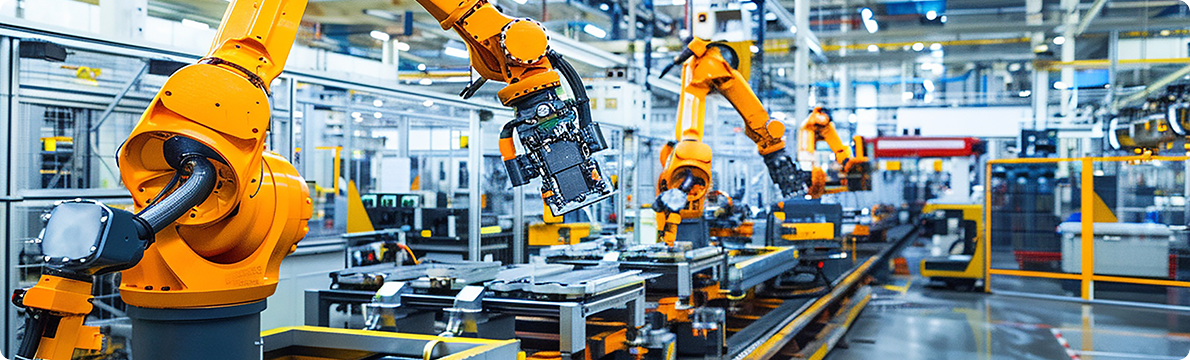
Today’s factories are not what we imagined growing up. The ones we once thought of as loud and messy are now quieter, more organised, and deeply connected. Sensors track performance in real time, robotic arms operate with precision, and intelligent systems make decisions in seconds; tasks that once took humans hours.
But what’s truly interesting is not just the technology, it’s the new kinds of careers this transformation is creating.
Where Three Fields Converge
This shift is happening at the intersection of three key areas: Robotics, Manufacturing, and Operations.
- Robotics brings automation, intelligence, and adaptability.
- Manufacturing focuses on designing and building products.
- Operations ensure everything runs efficiently and reliably at scale.
When these fields come together, they create roles that are both highly technical and deeply strategic.
Evolving Roles on the Factory Floor
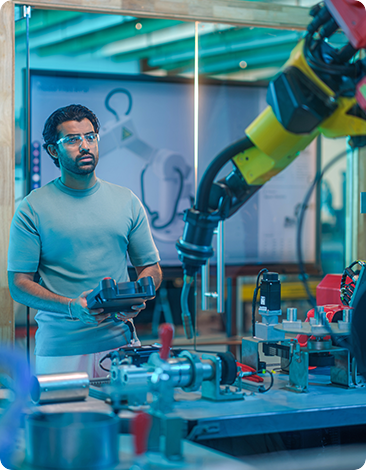
Consider a robotics engineer working in a factory. Their role goes beyond designing or programming machines. They need to understand how production line function, where inefficiencies occur, and how automation can solve these challenges. It’s not just about building robots, it’s about creating systems that improve productivity, reduce downtime, and adapt to business needs.
Similarly, the role of an operations manager has evolved. It is no longer limited to managing people and processes. Today, it involves interpreting data from automated systems, making decisions based on analytics, and ensuring smooth coordination between human and machine workflows.
The Blurring of Traditional Roles
This shift highlights how traditional job boundaries are fading. The idea of being strictly an engineer or a manager is becoming less relevant.
Today, the most valuable professionals are those who understand how different domains connect. Individuals who can combine knowledge of robotics, manufacturing processes, and workflow optimisation have a significant advantage. They can bridge teams, translate technical insights into business outcomes, and drive meaningful change across operations.
Emerging Career Opportunities
This transformation has also led to the creation of new roles that didn’t exist a decade ago. These include:
- Automation specialists
- Industrial data analysts
- Robotics maintenance experts
- Digital twin engineers
These roles sit at the intersection of hardware, software, and business strategy. They require a mix of programming, system design, data analysis, and a strong understanding of manufacturing processes, along with a mindset of continuous learning.
A Field Defined by Constant Change
One of the defining features of this field is how quickly it evolves. Industry expectations shift, tools advance, and technologies develop at a rapid pace. What you learn today may look very different in just a few years.
Rather than being a challenge, this constant change is one of the biggest advantages of working in this space. For those who enjoy problem-solving, experimentation, and continuous learning, it can be incredibly rewarding.
Accessibility and Skill Development
Another important shift is accessibility. Careers in this space are no longer limited to those with formal degrees in robotics.
Professionals from backgrounds such as computer science, electronics, mechanical engineering, and operations can all find opportunities here. With the rise of online learning platforms, certifications, and hands-on training programs, building relevant skills has become more accessible than ever.
Practical experience, such as working on automation projects or interning in manufacturing environments, is often just as valuable as formal education.
Real-World Impact of These Careers
One of the most appealing aspects of this field is its tangible impact. Unlike roles where outcomes may feel abstract, work in this space produces visible, measurable results.
You can see a production line run more efficiently because of a system you helped design. Improvements in safety, reduced waste, or increased output can be directly linked to your contributions. Watching something you built or improved come to life on the factory floor brings a strong sense of accomplishment.
Growing Demand Across Industries
The demand for professionals in this field will only continue to grow. Industries worldwide are moving toward smarter manufacturing, driven by the need for efficiency, sustainability, and resilience.
As businesses invest more in automation and digital transformation, they will increasingly seek individuals who understand both the technology and the operational environments in which it is applied.
Getting Started in This Field
If you’re considering a career in this space, the best place to start is by getting close to real-world environments.
Visit factories if possible. Observe how workflows are structured, how systems interact, and where inefficiencies exist. Try building small projects, such as automating a simple process or analysing production data.
Focus on understanding how different systems connect, as integration is often where the most complex challenges arise.
Final Thoughts
Careers at the intersection of robotics, manufacturing, and operations are shaped by real-world challenges, collaborative environments, and the constant interaction between people, machines, and processes.
These fields are deeply interconnected and rapidly evolving. Together, they are driving innovation, transforming industries, and creating new career opportunities. As technology continues to advance, they will become even more dynamic and impactful, making them exciting and meaningful areas to build a career in.

24 April, 2026