Announcements
If you are an engineering student from a Tier 3 or Tier 4 college, or pursuing a diploma, you are probably already thinking ahead. Many students like you plan to do an MBA or MTech to grow beyond entry-level roles. That ambition is valid. But today, there is something equally important you must understand. The automotive industry you are preparing for has already changed.
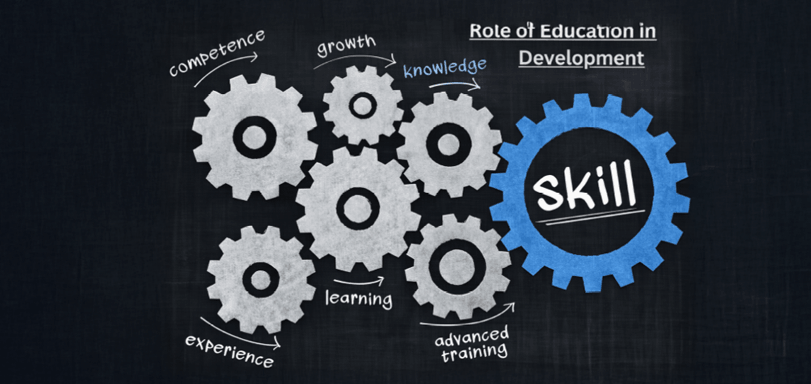
The shift to Electric Vehicles, smart manufacturing, and automation is not a future trend. It is the present reality. Companies are no longer hiring engineers only for their degrees. They are hiring for skills, systems thinking, and techno-managerial capability.
This is where focused skill development becomes critical.
The Automotive Industry Is No Longer Just Mechanical
Earlier, automotive careers were mostly about engines, machines, and shop-floor execution. Today, the industry is being reshaped by:
- Electric power trains and battery systems
- Automation, robotics, and Industry 4.0
- Data-driven manufacturing and digital twins
- Quality, sustainability, and smart supply chains
If your learning is limited to textbooks and basic labs, there is a growing gap between what you know and what the industry expects.
This gap is felt the most by students from non-premium institutes, where exposure to live industry projects, advanced labs, and manufacturing systems is limited.
Why Doing MBA or MTech Alone Is Not Enough Anymore
Many students believe that doing an MBA will automatically lead to leadership roles, or that an MTech will guarantee technical depth.The reality is more nuanced.
An MBA degree without technical context often leads to management roles disconnected from core manufacturing challenges whereas a MTech degree without industry exposure can remain theoretical, with limited practical application.
What the industry needs today are professionals who can understand technology and manage it. People who can talk to design teams, production engineers, automation experts, and also take business decisions.
This is where techno-managerial education becomes the need of the hour.
Understanding Techno-Managerial Education
A techno-managerial program is designed for students who want to combine:
- Core automotive and manufacturing technology
- Smart factory concepts and automation
- Business strategy, operations, and leadership
Instead of choosing between technology and management, you learn how both work together in real manufacturing environments.
This approach can be a game-changer and bridges academic gaps and builds industry-ready confidence.
Master Program in Automotive: Learning What the Industry Actually Uses
A Master program in automotive focused on EVs, smart manufacturing, and automation does not just teach theory. It gives students hands-on exposure to the technologies and systems used in today’s industry, such as battery technology, power electronics, robotics, automation, digital manufacturing tools, quality systems, and operations management.
With live industry projects, students learn how to apply their knowledge in practical situations. Institutions like NAMTECH are redefining engineering education by focusing on future-ready skills. Their program are designed for students who want to lead, not just follow.
With strong emphasis on:
- Smart manufacturing and automation
- EV and advanced automotive technologies
- Techno-managerial outcomes
- Industry-integrated learning
NAMTECH helps students from diverse academic backgrounds become confident professionals who can adapt, learn, and lead in high-growth sectors.
A Message to Engineering and Diploma Students
If you are studying in a Tier 3 or Tier 4 college, do not underestimate your potential. The industry does not reject talent. It rejects skill gaps.
Instead of only asking:
- Should I do an MBA?
- Should I do an MTech?
Also ask:
- Do I understand how modern automotive factories work?
- Can I connect technology with business decisions?
- Am I prepared for EVs, automation, and smart manufacturing?
The future belongs to engineers who upgrade themselves continuously and choose relevant, industry-aligned learning paths.
Skills Will Define Your Career, Not Just Degrees
The industry is moving fast. The question is, are you preparing to move with it?

23 January, 2026