Announcements
A masters in manufacturing engineering is not just an advanced version of your undergraduate degree. Done well, it turns you into someone who can improve how production actually runs—quality, cost, speed, and reliability. You graduate with a blend of core manufacturing knowledge and modern execution skills that employers look for while hiring.
Below are the most valuable skills you typically gain in a masters in manufacturing engineering, explained in simple, practical terms.
1. Process improvement and Lean manufacturing skills
You learn how to improve flow of the shop floor and remove waste without breaking the system.
- Process mapping and identifying bottlenecks
- Lean basics like 5S, standard work, and Kaizen thinking
- Performance metrics like OEE (availability, performance, quality) and how to use them for decisions
2. Quality engineering and problem-solving methods
A big part of manufacturing is reducing variation and preventing defects. This degree trains you to approach quality issues with structure, not guesswork.
- Root cause analysis (5 Whys, fishbone/Ishikawa)
- Process stability concepts and quality control basics (SPC thinking)
- Risk tools like Failure Mode and Effect Analysis (FMEA) to prevent failures before they happen
- Basic experimentation mindset (how process changes affect output)
3. Strong foundation in manufacturing processes and materials
You build practical understanding of how parts are made and what can go wrong—so you can choose the right process for cost, volume, tolerance, and reliability.
- Machining, casting, forming, joining, and finishing fundamentals
- Process parameters, common defects, and troubleshooting logic
- Materials basics linked to manufacturability and performance
4. Design-for-manufacturing (DFM) and production-minded design
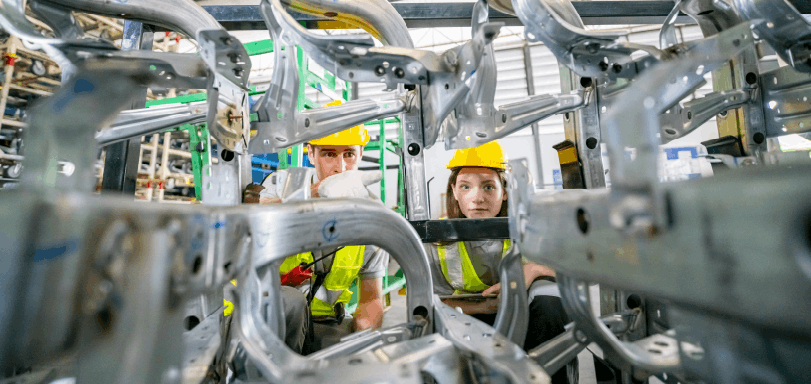
A masters in manufacturing engineering strengthens your ability to connect design decisions to shopfloor reality.
- DFM/DFMA thinking: designing parts that are easier and cheaper to make
- Tolerance awareness: when tight tolerances add cost without adding value
- Process planning basics: how parts move from design to tooling to production
5. Exposure to automation and smart manufacturing
This degree typically maps to roles that sit between engineering and transformation—where companies need people who can deliver results, not just presentations.
- Digital Manufacturing / Industry 4.0 Engineer
- Smart Factory / Plant Transformation Associate
- Manufacturing Analytics / Performance (OEE) Analyst
- Continuous Improvement (CI) / Operational Excellence roles
- Automation/Integration-facing roles (plant systems + deployment)
6. Digital manufacturing and data-led decision-making
Modern manufacturing increasingly runs on data. Many program include elements that overlap with a masters in digital manufacturing, especially around performance tracking and decision-making.
- Shop floor data basics: downtime, scrap, yield, cycle time
- Translating numbers into actions (not just dashboards)
- Intro-level predictive maintenance thinking: signals >> intervention >> reduction in breakdowns
This is where manufacturing starts to feel less like “manual firefighting” and more like a controlled system you can improve methodically.
7. Production planning and operations awareness
Manufacturing performance is also shaped by planning—schedule, inventory, lead times, and coordination across teams. A Master’s typically gives you the basics to understand these levers.
- Scheduling and production planning fundamentals
- Inventory logic: buffers, stock outs, lead times
- Coordination across procurement, production, and quality
Even a solid working understanding here makes you more effective in real plant roles.
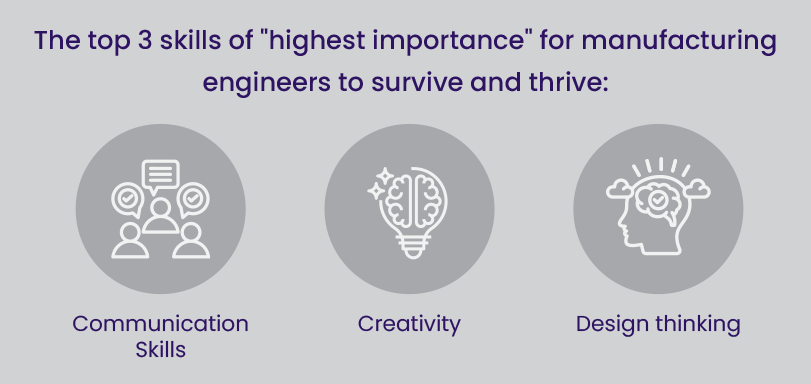
8. Project execution and communication skills
This is the underrated one. Many engineers know the right solution but struggle to deliver it. A Master’s builds execution habits through projects, reviews, and capstones.
- Scoping problems into clear KPIs and deliverables
- Managing trade-offs: cost vs time vs quality
- Presenting to stakeholders and documenting work cleanly
Final takeaway
A masters in manufacturing engineering gives you more than technical depth. It builds a practical ability to improve production systems—using structured problem-solving, quality methods, process knowledge, and increasingly, digital manufacturing tools. If your goal is to move into roles where you own outcomes (not just tasks), this skill mix is exactly what helps you stand out.

26 February, 2026