Announcements
Is an automotive technology and management program worth pursuing?
An automotive technology course is worth it if you want a long-term career in the automotive industry, especially in EVs, ADAS, smart manufacturing or techno-managerial roles. The industry needs engineers who understand new technologies and can manage their rollout. The value depends on hands-on training, industry links and placement support. NAMTECH, for example, states 100% placement for its foundation batch and scholarships of up to 100% of tuition.
How is this Program different from a conventional automobile engineering course?
A conventional automotive engineering course in India focuses mainly on vehicle design and mechanical systems. The NAMTECH Master Program in Automotive Technology and Management also covers smart manufacturing, electric mobility, alternative fuels, emission control, ACES (autonomous, connected, electric and shared mobility), ADAS and software-defined vehicles, plus management training in lean, supply chains, project management and leadership. Around 70% of learning is experiential.

Can mechanical engineering graduates pursue automotive technology?
Yes. Mechanical engineering is the traditional foundation for automotive careers, covering vehicle systems, dynamics, materials and manufacturing. A program that adds EVs, electronics, ADAS and management helps mechanical engineers stay relevant as vehicles become electric and software-driven. Mechanical engineers are eligible to study automotive technology at NAMTECH.
Is the Program suitable for electrical and electronics engineers?
Yes. As vehicles electrify, electrical and electronics engineers are needed for batteries, motors, power electronics, sensors, wiring architecture and ADAS. Electrical, Electrical & Electronics, Electronics and Instrumentation & Control Engineering are all eligible for NAMTECH’s program, which covers automotive electrical and electronic systems, hybrid and electric vehicles, and EMC testing.
Can computer science graduates enter the automotive industry through this Program?
Yes. Software now drives much of a vehicle’s functionality, from ADAS to connected services and software-defined architectures. Computer Science and Information Technology graduates are eligible for NAMTECH’s program, which gives them the automotive systems knowledge needed to apply software skills in vehicle development, ADAS, SDVs and cybersecurity.
Does the Program offer hands-on experience in vehicle and battery manufacturing?
Yes. NAMTECH’s program includes mini factories for body-in-white and vehicle assembly and for battery assembly, along with labs, an MIT-inspired design and manufacturing project, and capstone projects on real industry challenges.
How do industry immersion Programs benefit automotive students?
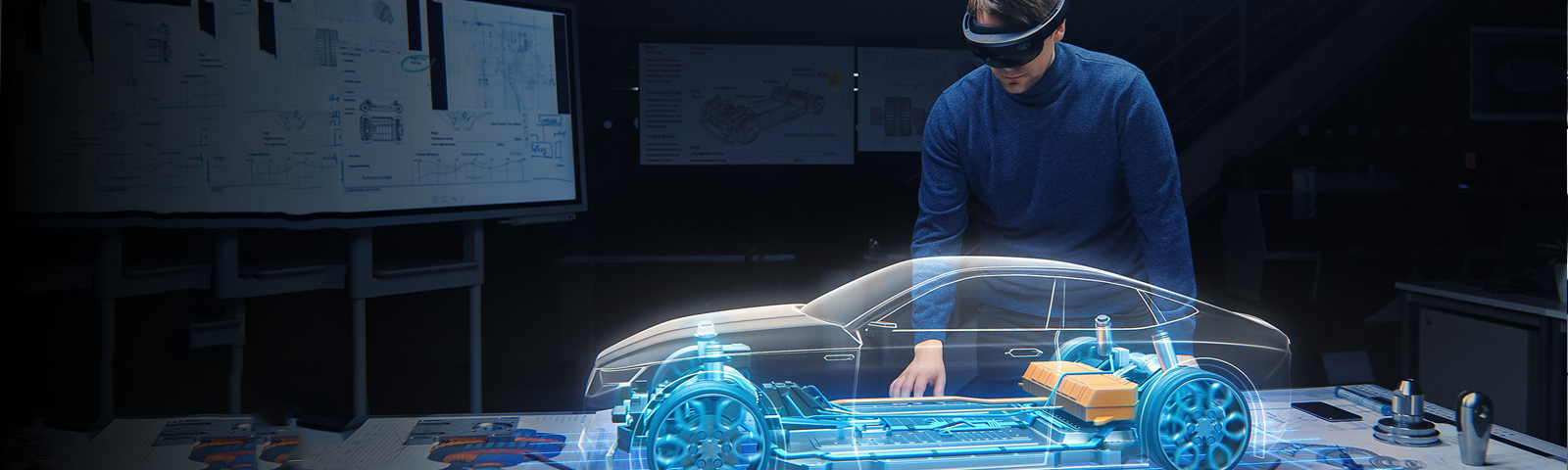
Industry immersion lets students see how vehicles are designed, built and tested in real facilities, and connect classroom learning with industry practice. It also builds professional networks. NAMTECH’s students take part in immersion at automotive test agencies and at two- and four-wheeler manufacturers and their vendors. An optional global immersion programme is also available.
Does the curriculum cover both conventional and electric vehicles?
Yes. The first semester covers conventional automotive engineering systems (including engines), materials and manufacturing, electrical and electronic systems, and fuels and emissions. The third semester covers hybrid and electric vehicles, ADAS and autonomous vehicles, cybersecurity and testing. This matters because conventional, hybrid and electric vehicles will be produced side by side for years.
What should students evaluate before selecting an automotive master Program?
Whether you choose a master’s in automotive engineering in India or abroad, check how current the curriculum is (EVs, ADAS, SDVs), how much hands-on work there is, which companies and research centres co-design it, whether there are internships and industry immersion, the faculty’s industry experience, placement record and recruiters, and the total cost against scholarships and loans. NAMTECH’s program, for instance, was co-designed with CAAR at IIT Madras and leading automotive manufacturers.
How can automotive management education support leadership or entrepreneurship?
Management courses teach engineers to plan projects, manage budgets, supply chains and teams, and make strategic decisions, which are the skills needed to lead a plant, a product line or a business. NAMTECH’s program includes project and product lifecycle management, supply chain management, leadership, design thinking, and entrepreneurship and new venture creation, preparing graduates for leadership roles or their own automotive ventures.

12 October, 2026