Announcements
What is smart manufacturing in the automotive industry?
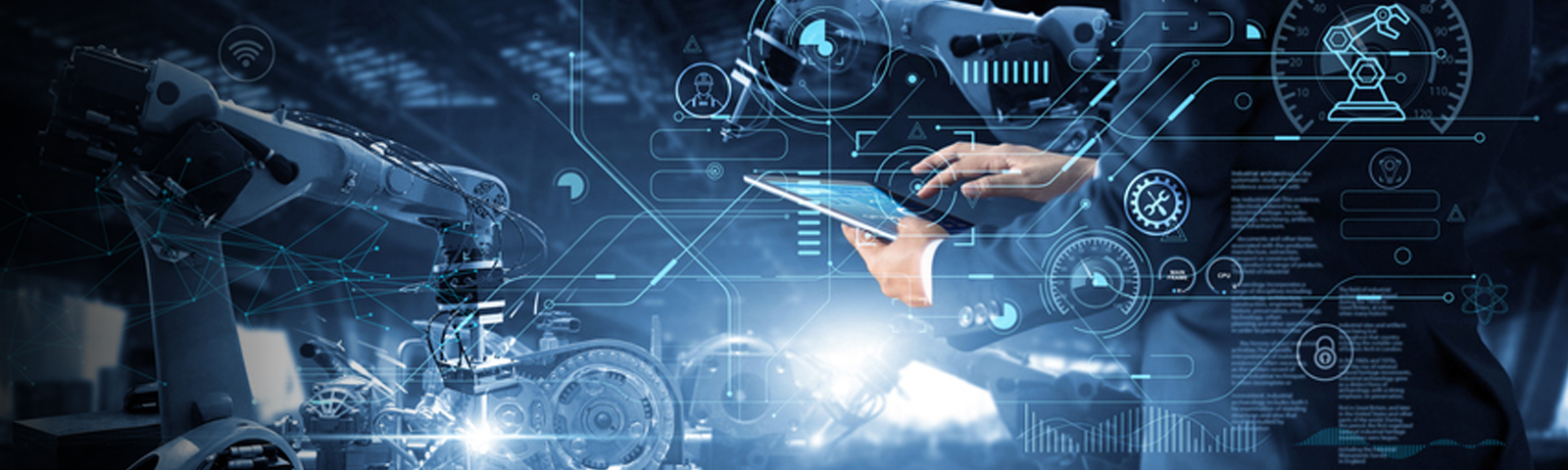
Smart manufacturing is the use of connected machines, sensors, robotics, data analytics and AI to run vehicle production more efficiently and flexibly. Machines share data in real time, problems are predicted before they cause downtime, quality is checked automatically, and lines can switch between models more easily. It is the automotive application of Industry 4.0. NAMTECH, which runs a Centre of Excellence in Automotive Engineering, teaches it through a dedicated Smart Automotive Manufacturing course.
How are AI, IoT and robotics used in automotive manufacturing?
Robots handle welding, painting, material handling and assembly. IoT sensors track machine health, energy use and production in real time. AI analyses this data for predictive maintenance, uses computer vision to inspect paint and welds, and optimises production schedules. Together, they improve quality, uptime and flexibility.
What skills do engineers need for automotive smart manufacturing careers?
Core smart manufacturing skills for engineers include manufacturing processes, robotics and automation, PLCs, sensors and data systems, quality methods, lean principles and design for manufacturing. Skills in data analysis, digital tools and project management are increasingly important. NAMTECH’s program builds these through courses in design for manufacturing, smart automotive manufacturing, lean and supply chain management.
How does a mini factory support practical automotive education?
A mini factory is a scaled-down production setup where students practise real manufacturing processes, from assembly and quality checks to line balancing and problem-solving. The NAMTECH automotive mini factory facilities cover body-in-white and vehicle assembly as well as battery assembly, so students learn how vehicles are actually built rather than only studying theory.
What is body-in-white manufacturing in the automotive sector?
Body-in-white (BIW) is the stage where a vehicle’s sheet-metal body is assembled, usually by robotic welding, before painting, and before the engine, trim and other parts are added. It covers stamping, joining, fixtures and dimensional quality. BIW determines much of a vehicle’s strength, safety and fit and finish.
Why is design for manufacturing important in vehicle production?
Design for manufacturing (DFM) means designing parts so they are easy, fast and cheap to make and assemble without compromising quality. In vehicle production, where volumes are high, small design choices can save large amounts of cost and time. NAMTECH’s program includes Design for Manufacturing 1 and 2, along with an MIT-inspired design and manufacturing project.
How do lean principles improve automotive manufacturing operations?
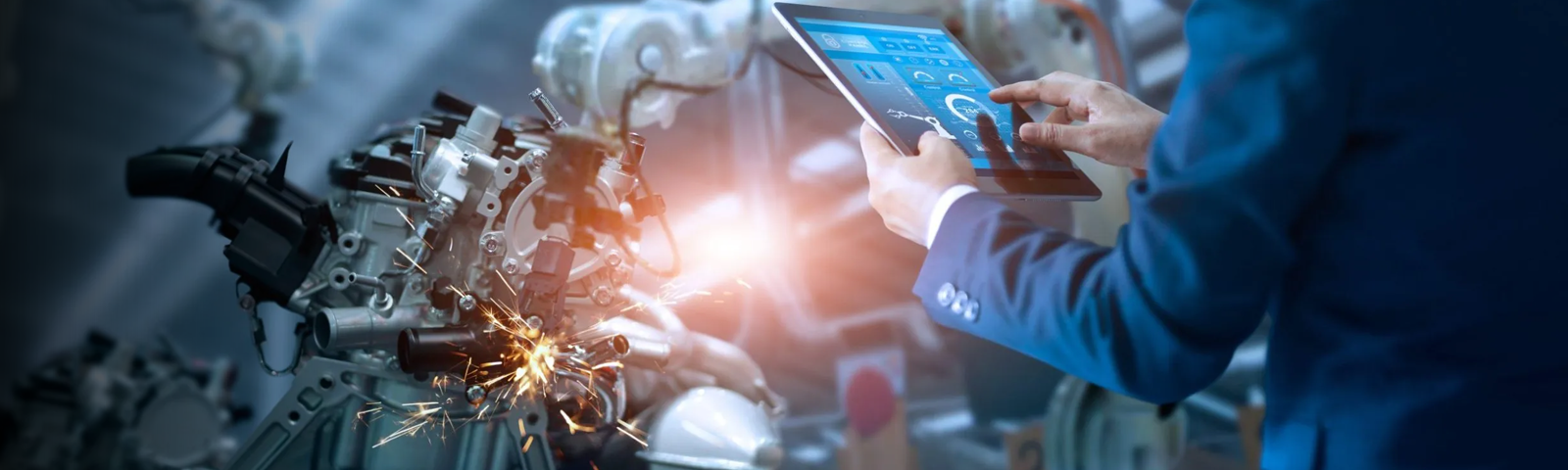
Lean principles, which originated in the automotive industry, focus on eliminating waste such as excess inventory, waiting, defects and unnecessary movement. Tools like value stream mapping, 5S, kaizen and just-in-time production improve productivity, quality and delivery. NAMTECH teaches operational excellence through lean principles in the first semester.
What is the role of supply chain management in automobile production?
A vehicle has thousands of parts from hundreds of suppliers, so production depends on the right parts arriving at the right time and quality. Supply chain management covers supplier selection, planning, logistics, inventory and risk management. Recent chip and battery shortages have shown how critical it is. Supply Chain Management is a core course in NAMTECH’s program.
How does product lifecycle management support vehicle development?
Product lifecycle management (PLM) is the process and software used to manage a vehicle’s data from concept and design through engineering changes, manufacturing, service and end of life. It keeps design, manufacturing and supplier teams working from the same information, which reduces errors and speeds up development. NAMTECH covers it in its course on project management and product lifecycle management.
What jobs are available in automotive manufacturing and production management?
Automotive manufacturing jobs in India include manufacturing engineer, process engineer, production engineer, BIW or assembly engineer, automation and robotics engineer, quality engineer, industrial engineer, supply chain planner, and, with experience, production manager or plant manager. OEMs, component makers and automation companies all hire for these roles.

15 October, 2026