Announcements
What are the core subjects in sustainability engineering and management?
In a sustainability engineering course in India such as NAMTECH’s, core courses make up about 60% of the program and electives about 40%. Core subjects include ESG digital platforms, industrial emission modelling and decarbonisation, LCA and circular economy, sustainability tech and AI, renewable energy, AI and simulation for energy systems, energy storage, digital urban transformation, industrial water management, sustainable infrastructure and transport, and environmental and resource economics, plus management and professional-skills courses.
How are ESG reporting and measurement taught in the program?
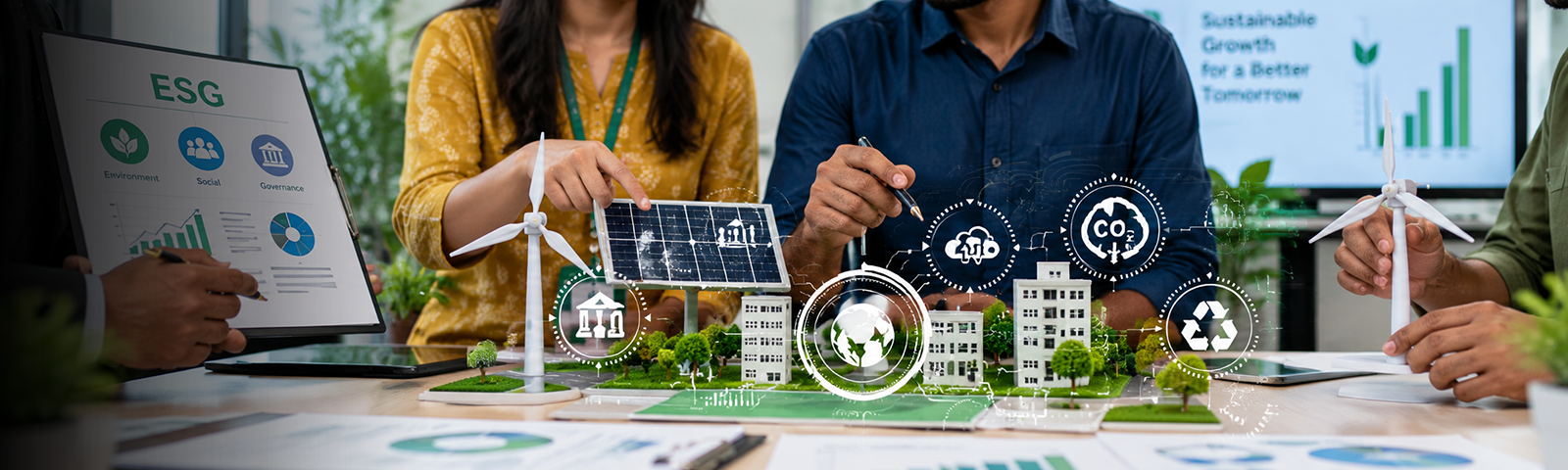
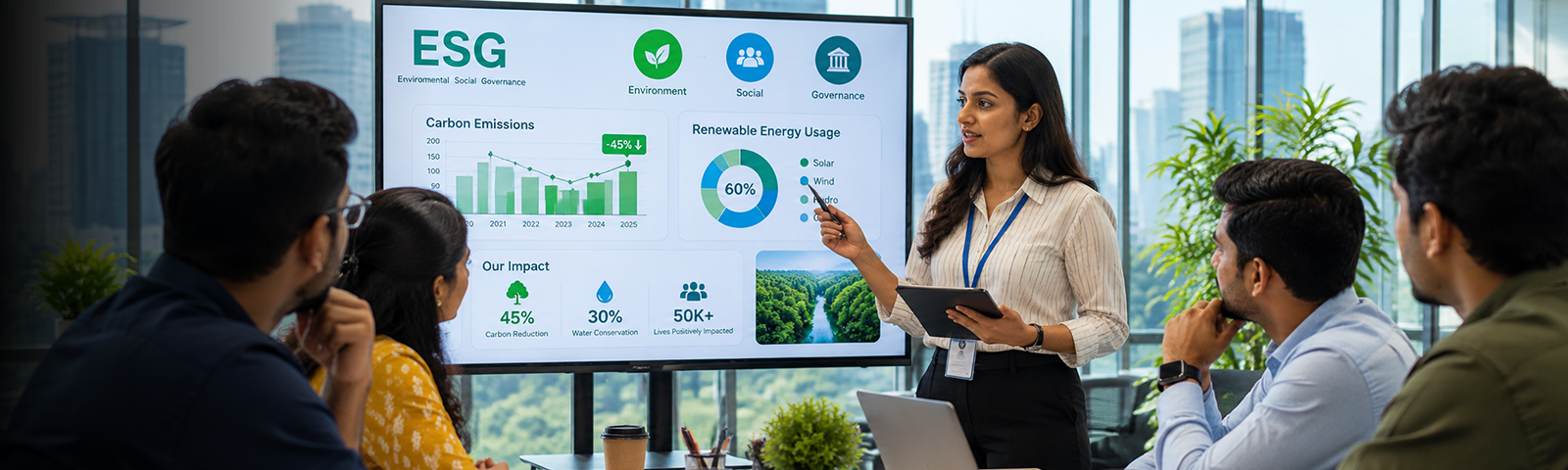
ESG is taught through a first-semester course on digital platforms for ESG reporting, measurement and certification. Students learn how environmental, social and governance data is collected, measured and reported using digital tools and recognised frameworks. ESG is also available as an elective track, and the program’s industry focus is supported by its co-creation with KPMG in India.
What is industrial emission modelling and why is it important?
Industrial emission modelling estimates the greenhouse gases and pollutants a plant or process produces, and simulates how different changes would reduce them. It is important because companies cannot cut emissions they have not measured. Models help choose the most cost-effective decarbonisation pathway. NAMTECH teaches this in its first-semester course on industrial emission modelling and decarbonisation pathways.
How does life-cycle assessment support a circular economy?
Life-cycle assessment (LCA) measures a product’s environmental impact across its whole life, from raw materials and manufacturing to use, disposal and recycling. It shows where the biggest impacts are and whether reuse, remanufacturing or recycling actually reduces them. That makes LCA a key decision tool for circular design. NAMTECH covers it in its course on LCA and circular economy digital tools, as LCA is a core method in circular economy engineering.
What role does artificial intelligence play in sustainability engineering?
AI helps analyse large energy and emissions datasets, forecast renewable output and demand, optimise industrial processes to save energy, detect leaks and inefficiencies, and simulate scenarios. NAMTECH includes a first-semester course on sustainability tech and AI, and a second-semester course on AI and simulation for energy conversion systems.
Do students study renewable energy and energy-storage systems?
Yes. NAMTECH’s second semester includes renewable energy and sustainability strategies for conventional energy, AI and simulation for energy conversion systems, and energy storage and management solutions. Students also work in the Energy Lab and EV Lab. Together, these subjects build the foundations of energy circularity engineering, which focuses on cutting energy waste and keeping resources in use.
How does the curriculum cover sustainable infrastructure and transport?
Students study 3D simulation and modelling for digital urban transformation in semester two, and sustainable infrastructure, transport and value chains in semester three. These courses cover low-carbon buildings, urban planning, clean mobility and greener supply chains, supported by NAMTECH’s Sustainable Urban Infrastructure Lab.
Why are sustainable finance and resource economics important for engineers?
Sustainability projects are approved only when the business case works. Engineers who understand resource economics, carbon pricing, green finance and financial analysis can justify investments, secure funding and speak the language of leadership. NAMTECH’s third semester includes environmental and resource economics and financial analysis and management.
What practical experience do students gain through laboratory work and projects?
Students of the NAMTECH Master Program in Sustainability Engineering and Management work in its Smart Manufacturing Lab, Sustainability Lab, Energy Lab, EV Lab and Sustainable Urban Infrastructure Lab. The program combines hands-on projects, simulations and on-ground immersion, so students apply methods like emission modelling, LCA and energy simulation to real systems. NAMTECH also runs an Experiential Learning Centre for Sustainable Energy and Circularity.
How does a capstone project prepare students for sustainability careers?
A capstone asks students to solve a real sustainability problem from start to finish, for example a decarbonisation plan, a circular product redesign or an energy optimisation study. It builds project, analysis and presentation skills and gives students a portfolio piece for employers. NAMTECH includes Capstone Project (A) in semester three and an industry internship or Capstone Project (B) in semester four.

22 October, 2026