Announcements
A masters in digital manufacturing is a specialised postgraduate program that trains you to improve real factory performance using modern technology—automation, connected data, analytics, and digital systems. In simple terms: it teaches you how to translate “cool tech” into measurable outcomes on the shop floor like better quality, lower downtime, and smoother output.
1.What is masters in digital manufacturing?
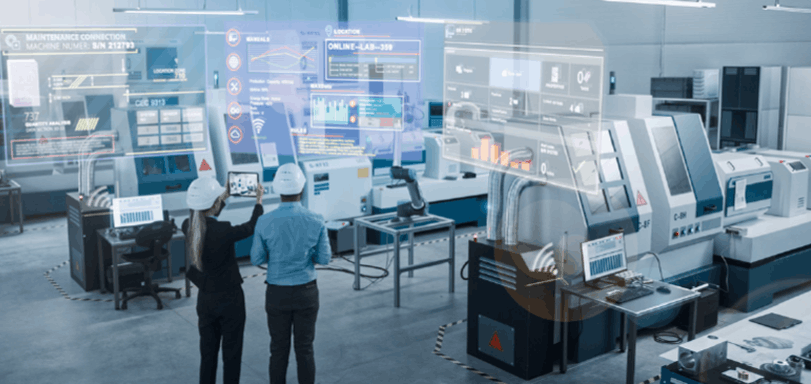
A masters in digital manufacturing is a degree focused on building “digital factory” capability—how production lines, machines, and people connect with software and data to run better. Instead of treating manufacturing and tech as separate worlds, it prepares you to work in the overlap where most modern industry jobs are being created.
- Combines manufacturing fundamentals + Industry 4.0 tools
- Focuses on execution, not just concepts
- Builds comfort with both shop floor reality and digital systems
2. How does a masters in digital manufacturing bridge the gap between technology and production?
It bridges the gap by training you to apply advanced technologies within real-world manufacturing constraints such as safety, uptime, cost, speed, and workforce adoption. The goal is to turn data and dashboards into decisions that operators and plant teams can actually act on.
- Connects machines >> data >> insight >> action
- Teaches how to lead end-to-end improvement projects
- Develops “translator” skills between engineering, IT, and operations
3. What do you actually learn in a digital manufacturing degree?
A good digital manufacturing degree doesn’t just list buzzwords. It builds a practical stack: how factories run, where performance leaks happen, and which digital interventions fix them.
- Manufacturing systems: flow, bottlenecks, constraints, throughput thinking
- Operations metrics: OEE, cycle time, scrap, rework, downtime patterns
- Problem-solving: root cause analysis, prioritisation, impact sizing
- Implementation: change management, SOP thinking, training and adoption
The real output
- You learn to say: “Here’s the problem, here’s the data, here’s what we change, here’s the impact.”
4. Which technologies are typically covered in a masters in digital manufacturing?
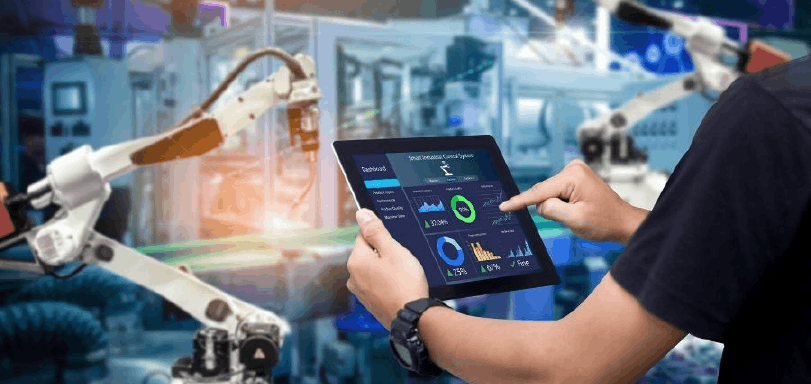
Most program revolve around Industry 4.0 building blocks—the tech that shows up repeatedly across smart factories.
- Industrial IoT (IIoT): sensors, connectivity, data capture basics
- MES/SCADA concepts: visibility, traceability, production monitoring
- Digital twins: simulating changes before touching the line
- Predictive maintenance: condition-based thinking to reduce breakdowns
- Quality 4.0: defect tracking, automated inspection, traceability loops
- Data analytics & AI (applied): forecasting, anomaly detection, decision support
5. What career paths open up after a masters in digital manufacturing?
This degree typically maps to roles that sit between engineering and transformation—where companies need people who can deliver results, not just presentations.
- Digital Manufacturing / Industry 4.0 Engineer
- Smart Factory / Plant Transformation Associate
- Manufacturing Analytics / Performance (OEE) Analyst
- Continuous Improvement (CI) / Operational Excellence roles
- Automation/Integration-facing roles (plant systems + deployment)
6. How is a masters in digital manufacturing different from a masters in smart manufacturing?
They overlap heavily. A masters in smart manufacturing is a broader category that often emphasizes factory systems, operations, and automation, while a masters in digital manufacturing may lean more into the data/software layer (IIoT, MES, digital twins, analytics, 3D modeling). In real hiring, the difference is less about the title and more about what you can demonstrate.
- Look for labs, projects, and measurable outcomes—not just course names
- Pick based on the industries you want to work in such as automotive, electronics, FMCG, pharma, heavy manufacturing
7. How do you choose the right masters in digital manufacturing program?
Choose based on “proof of learning,” not brochure language. The best program force you to practice real-world constraints.
- Hands-on exposure: labs, mini-factories, simulations
- Industry projects: capstones tied to KPIs (downtime, yield, quality)
- Tool exposure: at least basic familiarity with plant digital systems
- Career readiness: portfolio projects, mock interviews, case-based learning
- Clarity of outcomes: what roles graduates realistically target
Final takeaway
A masters in digital manufacturing is valuable because it trains you for the jobs that sit at the center of modern industry: translating technology into better production. If you like both systems and execution—machines and data—this is one of the cleanest ways to build a long-term, future-proof career lane.

20 February, 2026