Announcements
Picture a mechanical engineering graduate walking into a manufacturing plant in 2026. Chances are, that plant isn’t running the way it did even five years ago. Sensors everywhere. Predictive maintenance systems flagging issues before a machine fails. Robotic arms working alongside human operators, changing how the line is supervised rather than replacing it outright.
If that graduate’s only training was in classical mechanical design, statics, dynamics, thermodynamics, and not much else, they’re walking in with half the toolkit they need.
Automation isn’t a separate department anymore. It’s woven into how mechanical systems get designed, monitored, and maintained, and mechanical engineers who understand it have a real advantage over those who don’t.
The skills gap, in plain terms
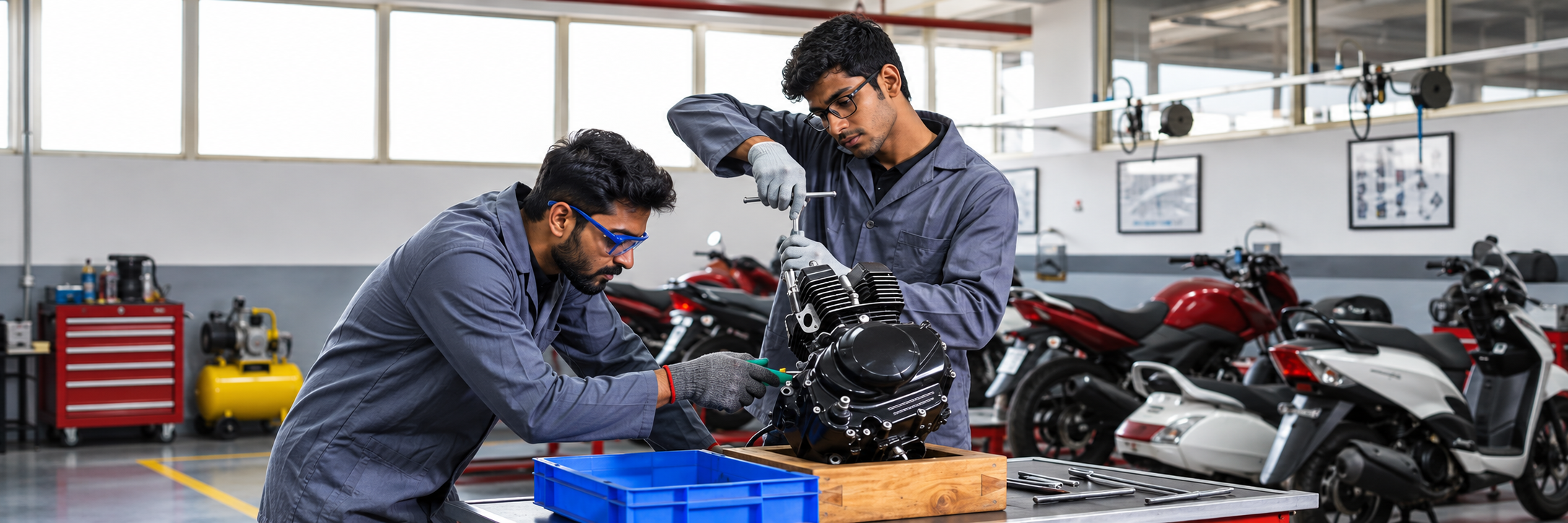
Traditional mechanical engineering programs are excellent at teaching the physics. What many don’t teach well is how to work with PLCs, how sensor data feeds into control systems, how to think about a mechanical system as part of a larger automated process rather than an isolated component. It’s not that the old fundamentals stopped mattering. They didn’t. It’s that they’re no longer sufficient on their own.
Why this is urgent, not optional
India’s manufacturing sector is investing heavily in automation as part of a broader push toward smart manufacturing and Industry 4.0 adoption. That means the hiring bar for mechanical engineering roles is quietly rising. Companies aren’t necessarily writing “automation experience required” into every job posting yet, but in practice, candidates who can speak to both mechanical design and automation systems are the ones getting offers.
Where NAMTECH fits in
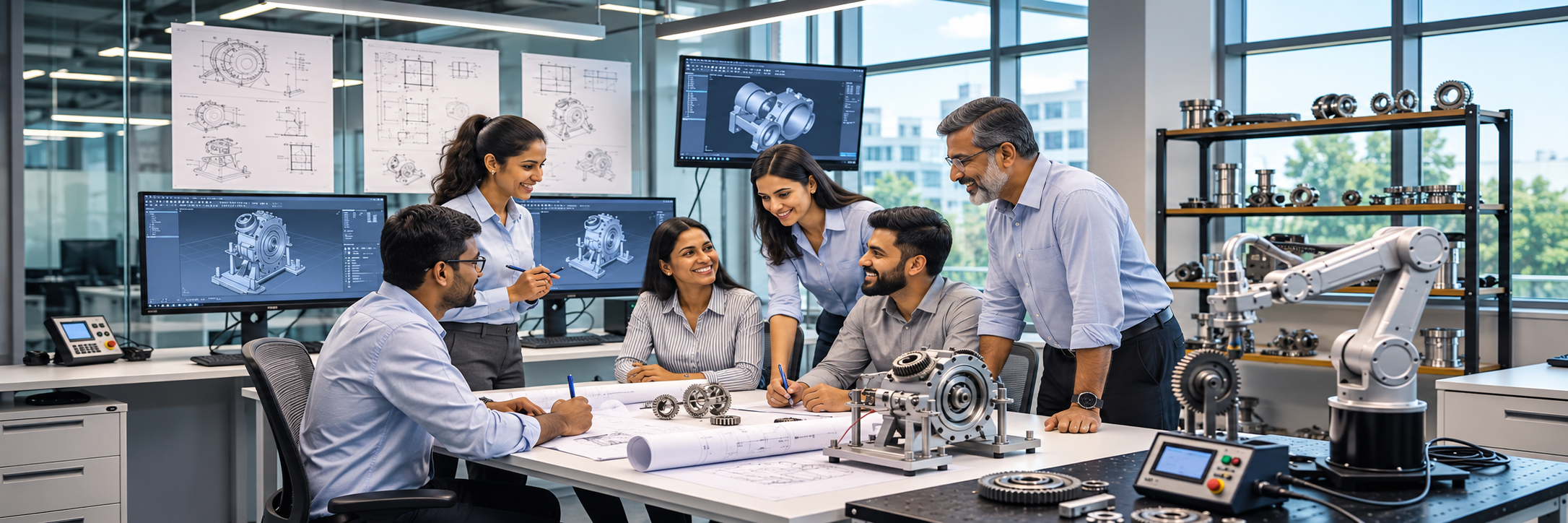
NAMTECH’s Smart Manufacturing program was built around exactly this gap, pairing core mechanical engineering fundamentals with hands on exposure to automation systems, sensors, and control logic. It’s not automation bolted onto a mechanical degree. It’s integrated from the start, with faculty and curriculum shaped through NAMTECH’s industry-first model. Students who want to go deeper into the robotics side of automation can also look at NAMTECH’s Robotics program, and full details on applying are on the admissions page.
The takeaway
The mechanical engineers who’ll thrive over the next decade aren’t the ones who ignore automation and hope classical design skills carry them through. They’re the ones who treat automation as a core part of the mechanical engineering toolkit, because increasingly, that’s exactly what it is.
FAQ
Is automation really necessary for all mechanical engineering roles, or just manufacturing focused ones?
It’s most critical in manufacturing, industrial design, and process engineering roles, though automation literacy is becoming broadly valuable as more industries digitize operations.
What does “automation skills” actually mean for a mechanical engineer, coding, or something else?
It typically means understanding PLCs, sensor integration, basic control systems, and how mechanical components interact with automated processes, not necessarily deep software development.
Can a student learn this through electives, or does it need a dedicated program?
A few electives can introduce the concepts, but a dedicated program with hands on lab work gives far deeper, more job ready competency.
Does NAMTECH’s Smart Manufacturing program require prior automation experience to enroll?
No. It’s designed as an undergraduate program building these skills from the ground up, alongside core mechanical engineering fundamentals.
How is this different from a dedicated robotics or mechatronics degree?
Smart Manufacturing focuses on applying automation within manufacturing and mechanical systems broadly, while robotics or mechatronics programs go deeper into robotic systems specifically.
Will automation eventually replace the need for mechanical engineers?
No. It changes the nature of the role toward supervising, designing, and optimizing automated systems, rather than eliminating the need for mechanical engineering expertise.

19 November, 2026